Ok, what is this RUT thing? Well, it depends on the country:
Road Users' Tax (Philippines)
Rutland, Vermont (USA Airport Code)
Riset Unggulan Terpadu (Indonesia goverment research department)
Roskilde University (Denmark)
Really Useful Theatres Ltd (UK)
In Chile, the RUT or RUN (stands for Rol Unico Tributario & pronounced “root”) is the individual Chilean national identification number, similar to our social security number. Unlike the social security number, it is strongly encouraged for many transactions and required if you plan to work in the country. When performing activities like grocery shopping, getting prescriptions filled, staying in a hotel, visiting a doctor, checking out a video, getting a credit card, setting up a bank account…they always ask “Cual es su RUT?” Of course, short term visitors to Chile don’t or can’t obtain a RUT, so they use there passports as a substitute. For the first couple of months until we received our RUT ID cards, that’s what we had to do. This has its limitations and can make simple daily activities a bit challenging, if not frustrating and annoying. For example, we needed to get some ibuprofen which is kept behind the counter in the pharmacy. Yes, we could buy it, but without a RUT, they would charge an outrageous price. The pharmacist ended up using another customer’s RUT number off of a receipt to help get a better price.
So, how does one get a RUT number? RUT cards are issued through the “Registro civil” central office in Santiago, but have excessive amounts of required paperwork for foreigners including a “perfect” visa stamp in your passport, copies of your Chile entry stamp, a confirmation of registration paper from the local Cabineros Internacional (international police) office, specific headshot photos with your birthdate (see photo),
 and a hair sample (just kidding). Sometimes they require random or all documents to be notarized before accepted. (The need for and business of notarized documents in Chile is notorious and amusing.) The finalized paperwork and fingerprinting is submitted through the local office of department of transportation which appears to be similar to the DOT offices in the states: long lines, redundancies in the required paperwork and often staffed with unhappy “reglistas”. Reglistas are those individuals who follow the rules to the “T” and make no exceptions regardless of how ridiculous the rules may seem.
So, do you sense a tad of bitterness in this story? In summarizing the narration of this slightly painful experience for us, it took Marisol three attempts over the course of 3 months to finally obtain her RUT card. This process included sending her passport away twice, multiple corrections to her visa stamp, cancellation & reissuing of her Chilean visa, excessive amounts of photocopies of her documents, 3 rounds of good ole,
 black ink fingerprints, and charming the head of the Concepcion Extranjeria (department of foreign affairs) who used his “special” friends to expedite the corrections in a different government office. At a time when you are just trying to get settled into your new surroundings, it was difficult to go up to the counter after waiting several weeks in anticipation of picking up your RUT card and instead, get the white paperslip (resembling a “most wanted” notification) stamped “rejected” along side your name and photo.
In the end, it all worked out: another unique experience and story while living abroad. Obviously not all foreigners have this many problems getting their RUT cards, but other friends have confirmed similar challenges with the quest for their RUT.
Doug and Marisol are now happy and cherish the opportunity to flash their RUT cards when asked to do so.

Unfortunately, the thought of taking Nathan back for another round of fingerprinting and finger crossing has kept us away after his first rejection. Maybe 2007 will be the route to his RUT.

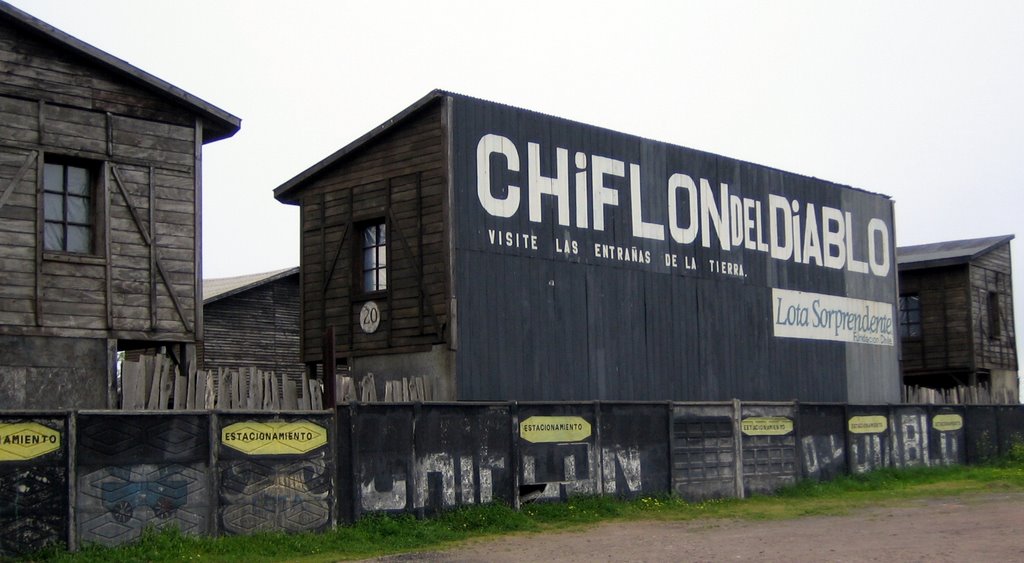


 Combined with its neighboring cities, Concepción stacks up as the second largest city in Chile with a population of around a million. The big city acts as an important industrial port hub being located in practically the middle of the country and hosts several universities which lend a young energetic feel to the city vibe. Founded in 1550, Concepción has endured an interesting history including acting as the northern border for the Mapuche resistance (indigenous peoples), a political stronghold for the Marxist movement in the late sixties and suffered several large earthquakes that have literally moved the city’s location.


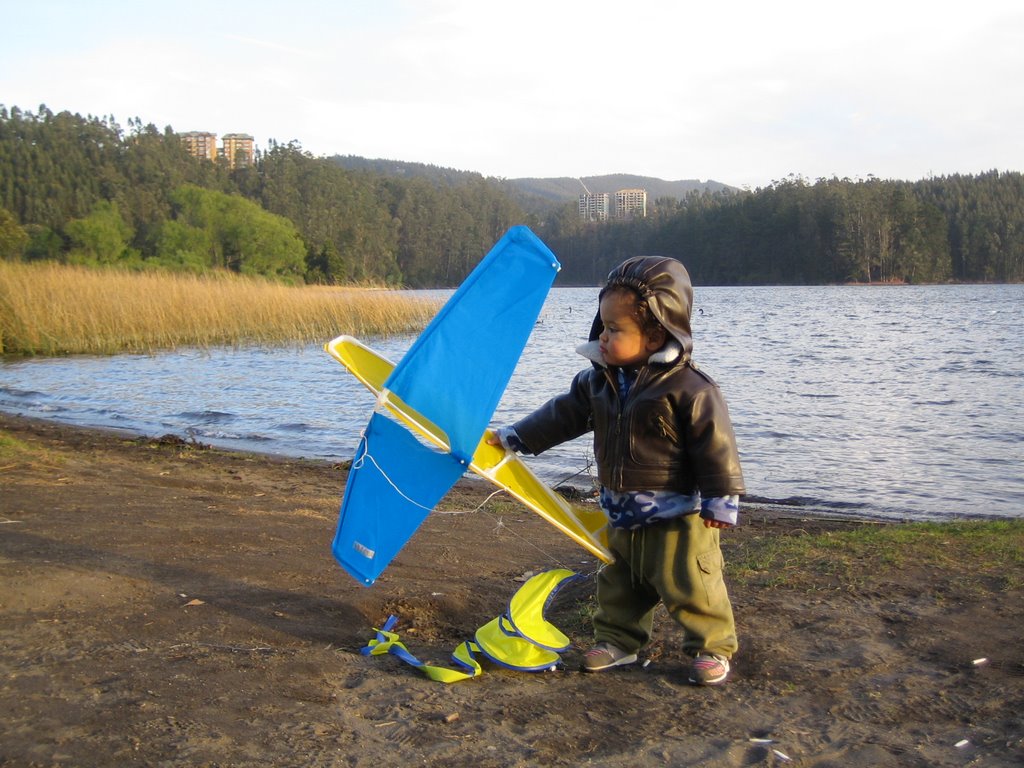
 The community as a whole has much to offer. Along with being a quiet, clean and safe place to live, the area has many little “green-strip” parks along the streets that are well maintained with colorful annuals and playgrounds. There are two lakes in San Pedro de la Paz: the larger one just a 10 minute walk away. The big lake has a very active outdoor amphitheater, an open park with lots to do and a bike trail around its perimeter. The lake also is a great place to fly a kite (a favorite Chilean pastime),